
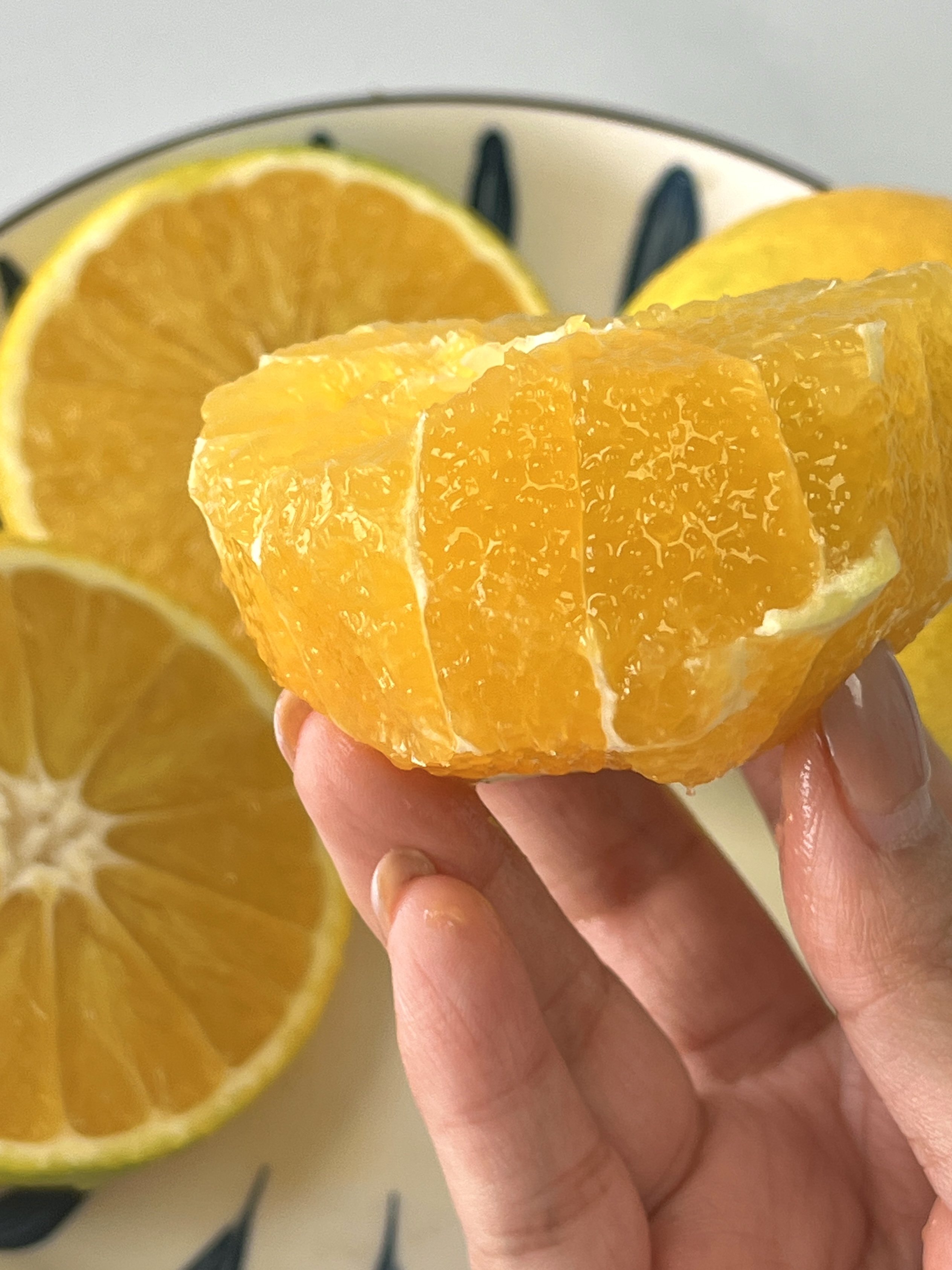
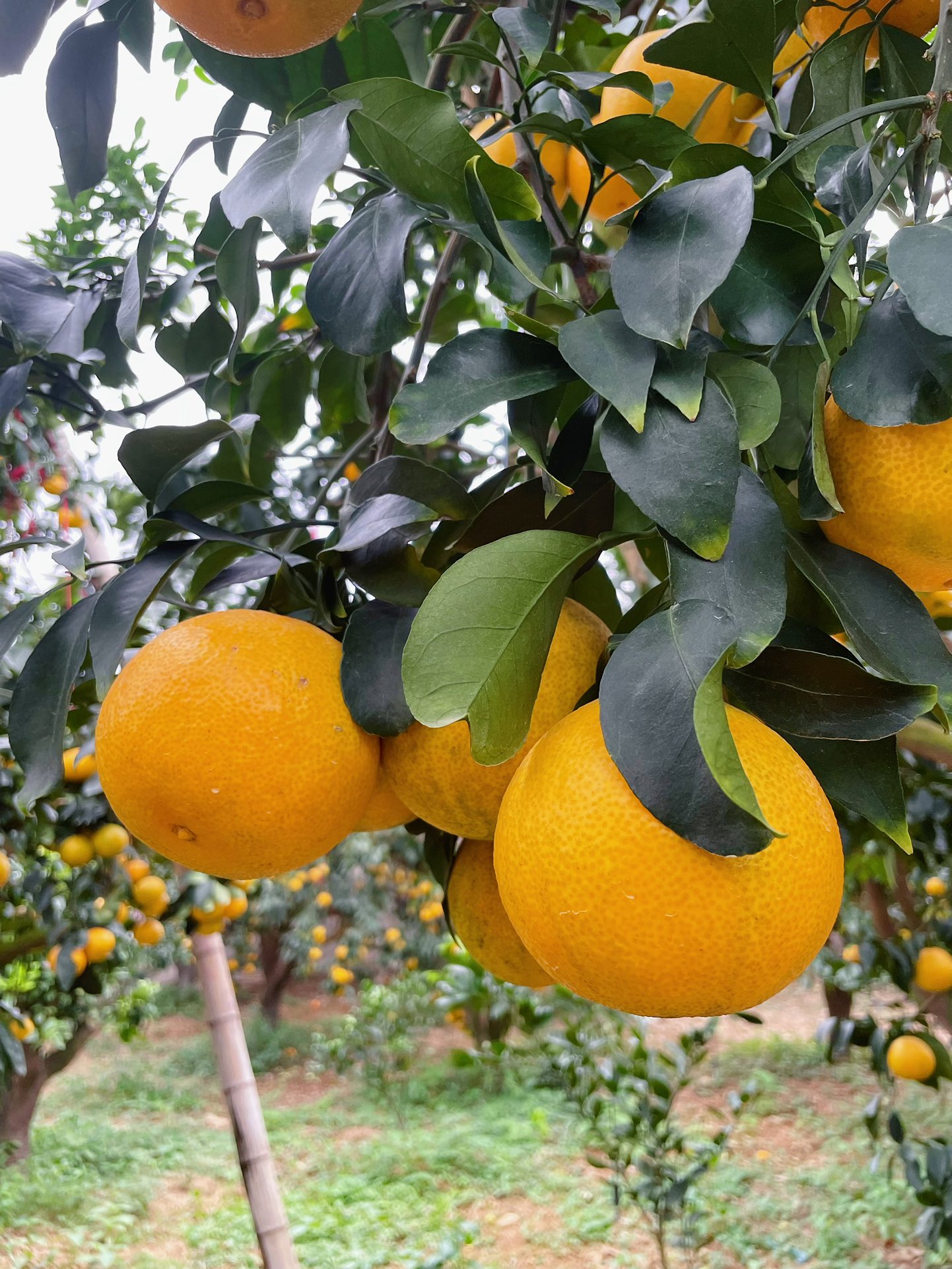
Red Beauty, scientifically known as "Aiyuan No. 28", is a highly representative variety in the citrus family. Originating from Japan, it is a high-quality late-maturing hybrid citrus variety crossed between "Nanko" and "Amakusa". Now, it has taken root in Fujian, Jiangxi, and Zhejiang provinces in China.
Every step of a fruit's growth, from flowering period management to sugar-acid ratio control, affects its quality. And it is these subtle differences that create the unique charm of Red Beauty. Today, let's talk about how Red Beauty grows into three different flavors under the terroirs of the three regions!
Why Is Red Beauty "Special"?
Red beauty mandarin
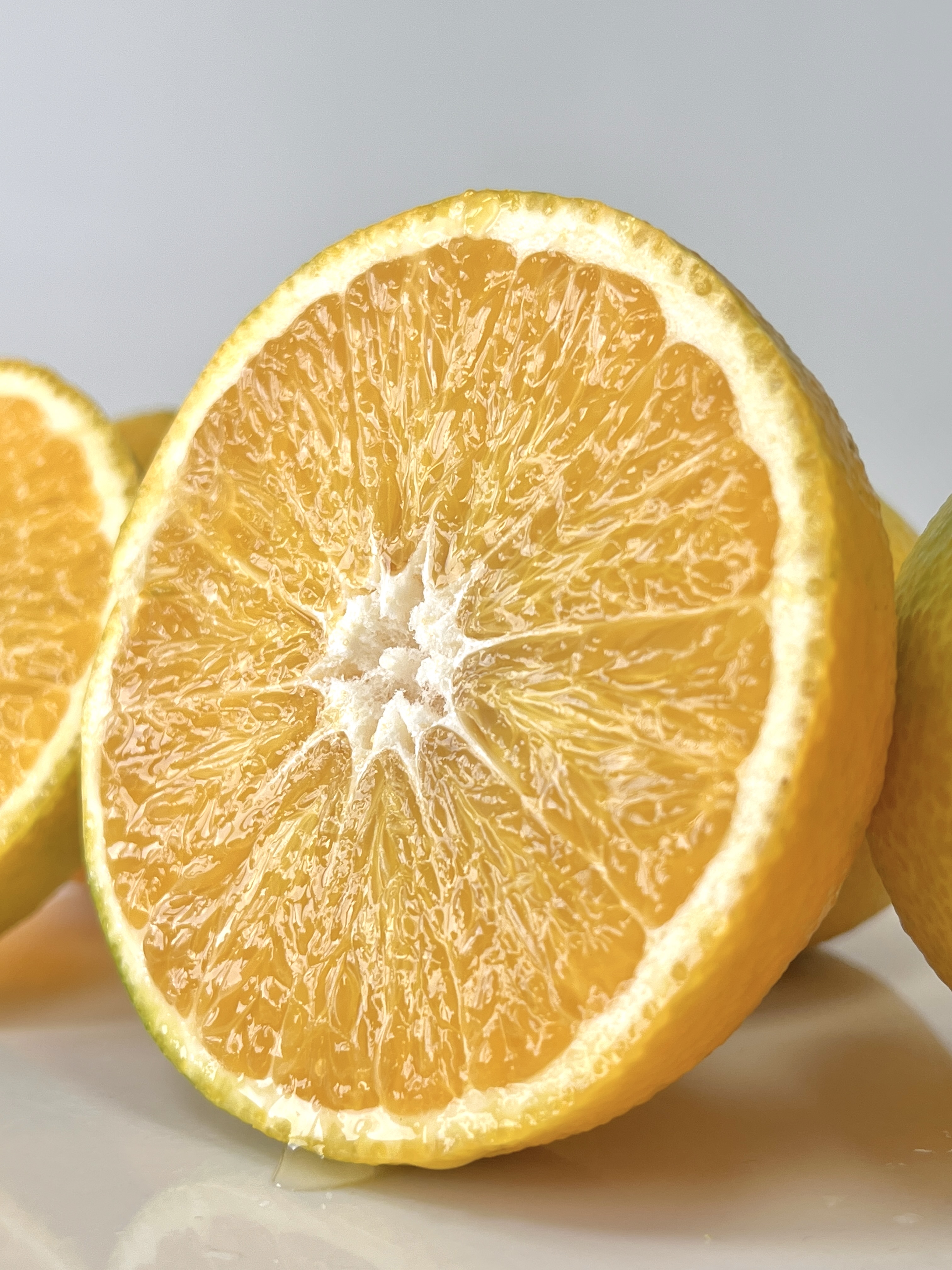
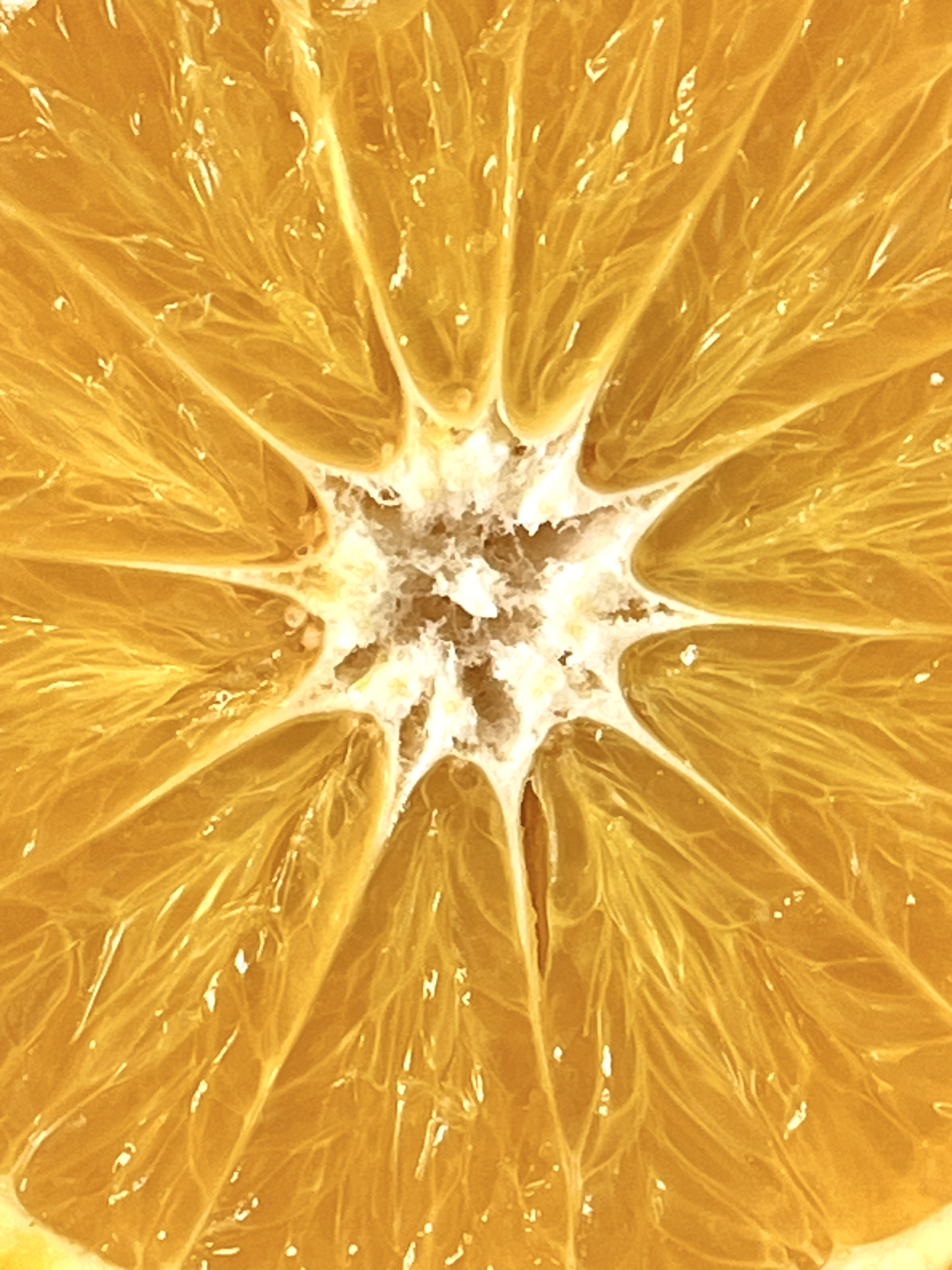
- Extremely high pulp melting rate, almost no residue: After eating too many ordinary citrus fruits, you always feel "food stuck between teeth" and "a lot of residue". However, Red Beauty is different - its pulp fibers are extremely fine, and the pulp melting rate is close to 100%. When you take a bite, it is almost like a liquid sweetness, and the juice fills your entire mouth instantly.
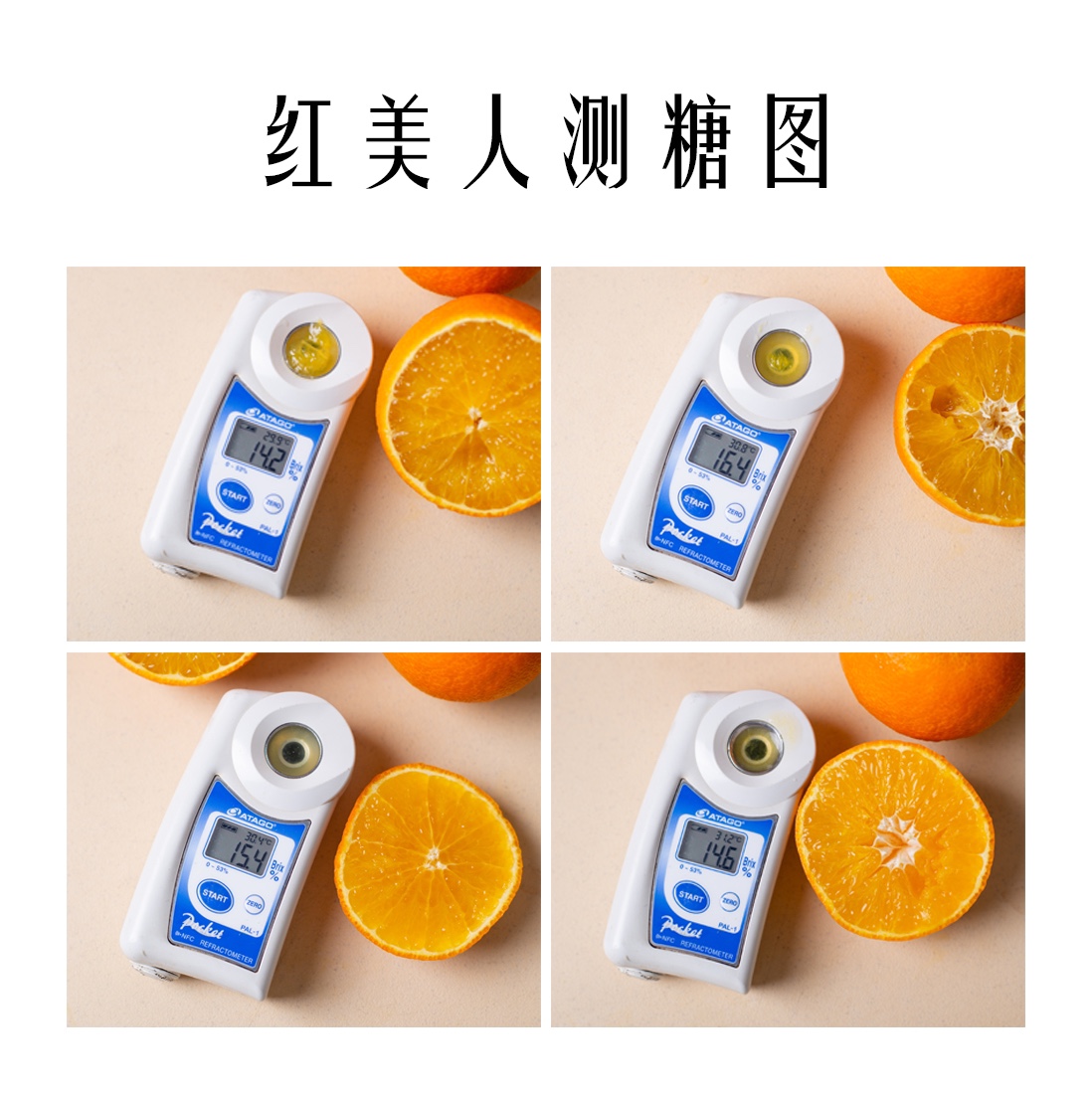
- Almost no sour taste: Red Beauty has an extremely high sugar-acid ratio and very low acidity, belonging to the "pure sweet type" citrus. Its sugar content is generally between 10° and 11°, and can even reach 16° when fully ripe. It tastes like a smooth sweetness that "melts in the mouth without any irritation".
- Early listing, a surprise one season in advance: Most citrus fruits (such as Wogan, Babagan, etc.) can only be listed after November-December. However, Red Beauty is an early-maturing variety. In some areas of Fujian and Jiangxi, the first batch of ripe fruits can be harvested from late September to early October. This also makes it the opening guest of the autumn and winter citrus season.
Analysis of the Three Major Production Areas: The Same Fruit, Different Terroir Characteristics
At present, China's main Red Beauty production areas are concentrated in three provinces: Fujian, Jiangxi, and Zhejiang. Although they are all "Aiyuan No. 28", their flavors and fruit appearances vary due to differences in geography, climate, and planting management models.
Fujian Red Beauty: The "Early-Maturing Pioneer" Under Mild Climate
- Fujian Production Area
- Geographical location: Coastal area with strong sunlight and high temperature.
- Planting characteristics: Mostly covered with plastic greenhouses, with early-maturing management.
- Listing time: Late September to early October, making it the earliest listed Red Beauty in the country.
- Advantages: Seizes the market opportunity, suitable for the early market and pre-holiday market.
Jiangxi Red Beauty: "Sweet Layered Taste" Created by Temperature Difference Between Day and Night in High Mountains
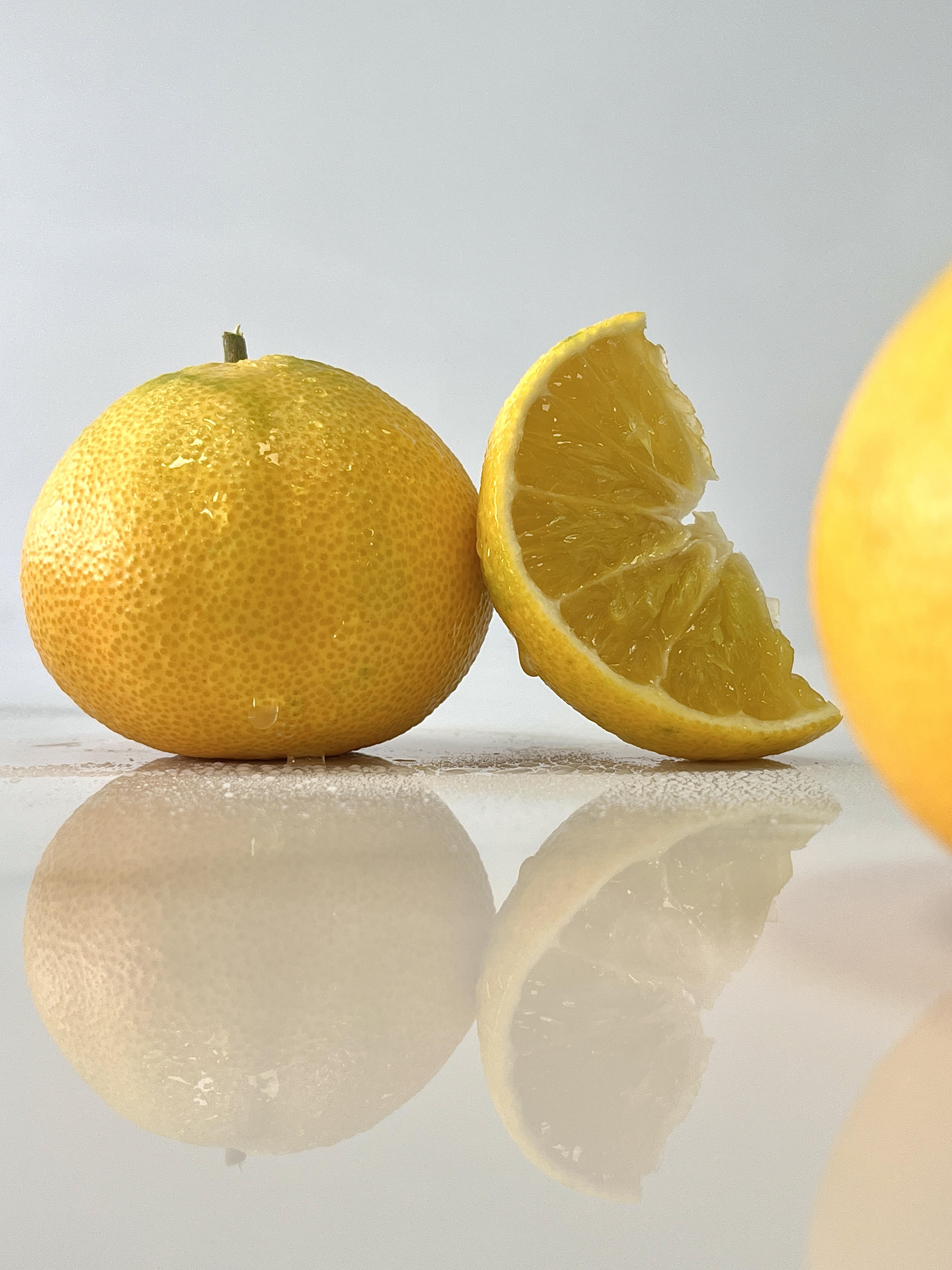
- Jiangxi Production Area
- Geographical conditions: Hilly terrain, soil rich in minerals.
- Planting method: Mostly open-field cultivation, relying on natural ripening.
- Listing time: Early November.
- Advantages: Stable fruit setting, large yield, and it is the main supply area for export.
Zhejiang Red Beauty: The "Boutique Representative" Under Fine Greenhouse Management
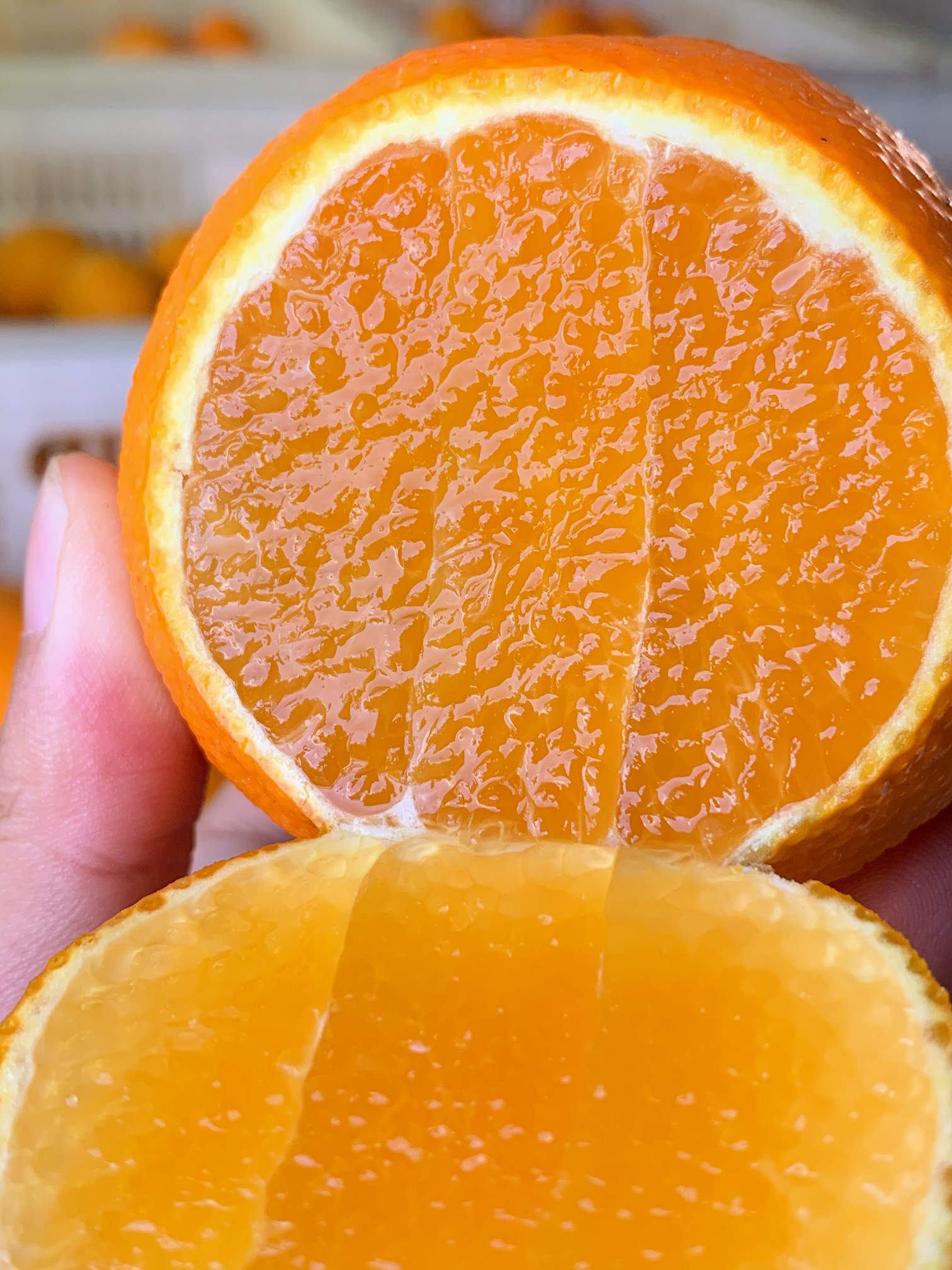
- Zhejiang Production Area
- Geography and climate: Large temperature difference between day and night, moderate rainfall.
- Planting method: Greenhouse facility-based and refined management.
- Listing time: Mid-to-late November.
- Advantages: Beautiful fruit shape, smooth fruit surface, positioned as a high-end gift fruit.
Overview of Differences Among the Three Regions
| Item | Fujian | Jiangxi | Zhejiang |
|---|---|---|---|
| Location | Coastal Plain | Inland Hills | Eastern Coastal Hills |
| Climate | Sufficient sunlight, high humidity | Mild and rainy | Large temperature difference between day and night, moderate rainfall |
| Management | Early-maturing greenhouse management | Open-field natural ripening | Facility-based refined management |
| Listing Time | Late September - Early October | Early November | Mid-to-late November |
| Positioning | Early-picked fresh fruits | Export mass-produced fruits | High-end boutique fruits |
Conclusion: It is not about which region is "better", but about the differences in time and management. Fujian's Red Beauty is early, Jiangxi's is stable, and Zhejiang's is refined.
How to Select a Truly "High-Quality" Red Beauty?
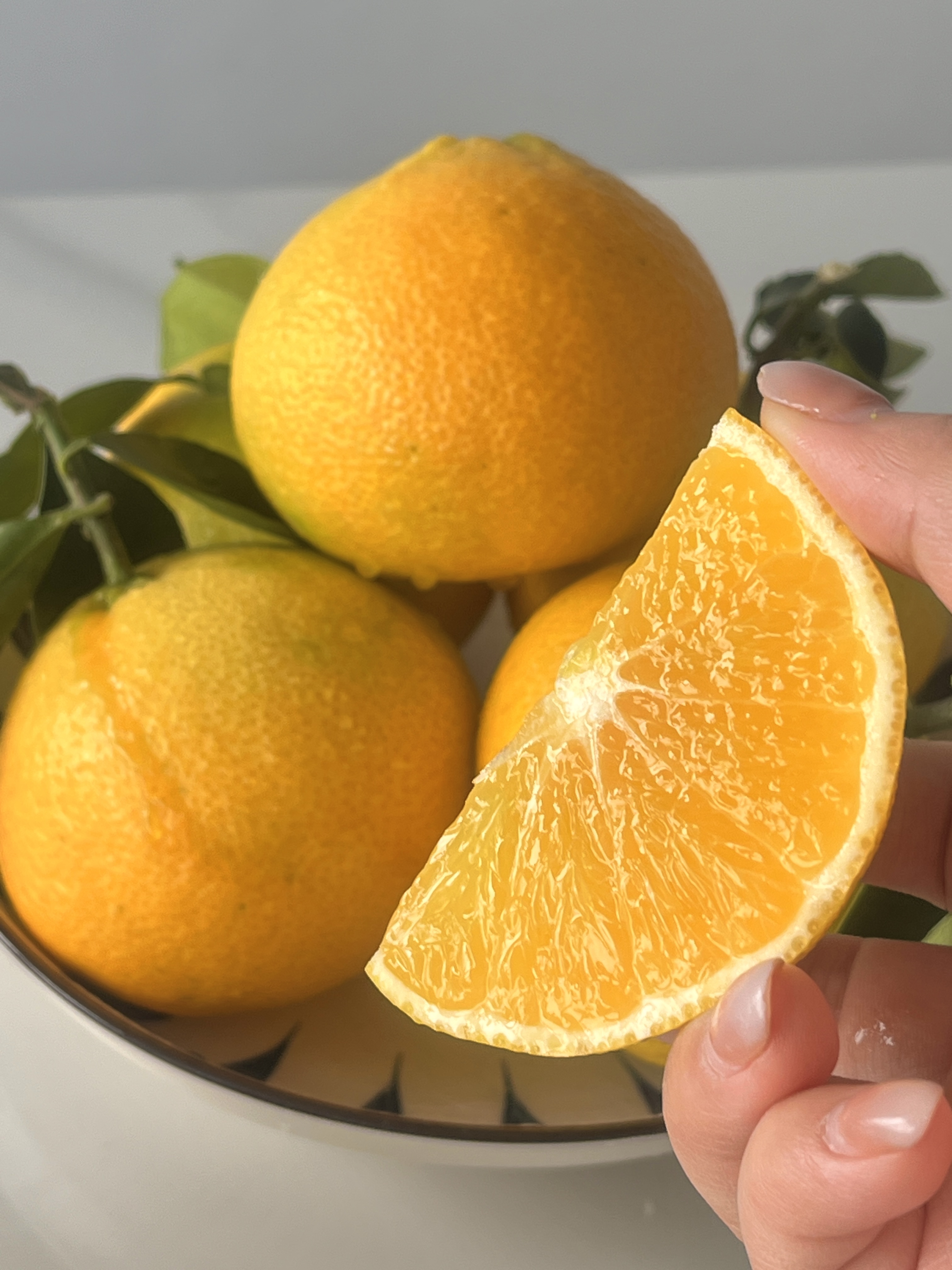
- ✅ Check the fruit surface: Fruits with smooth skin, bright orange-red color, and delicate luster are more ripe. If the surface is dull or yellowish, the fruit is mostly not fully colored.
- ✅ Weigh the fruit: Among fruits of the same size, those that feel heavier have more juice and higher sugar content.
- ✅ Press the peel lightly: Fruits that are slightly elastic but not soft have the fullest pulp.
- ✅ Preservation tips: It can be kept fresh for 3 days at room temperature and 7-10 days in a refrigerator at 5℃. Before eating, leave it at room temperature to bring out a stronger fruity aroma.
A mandarin Fruit That Has Gained Popularity Overseas
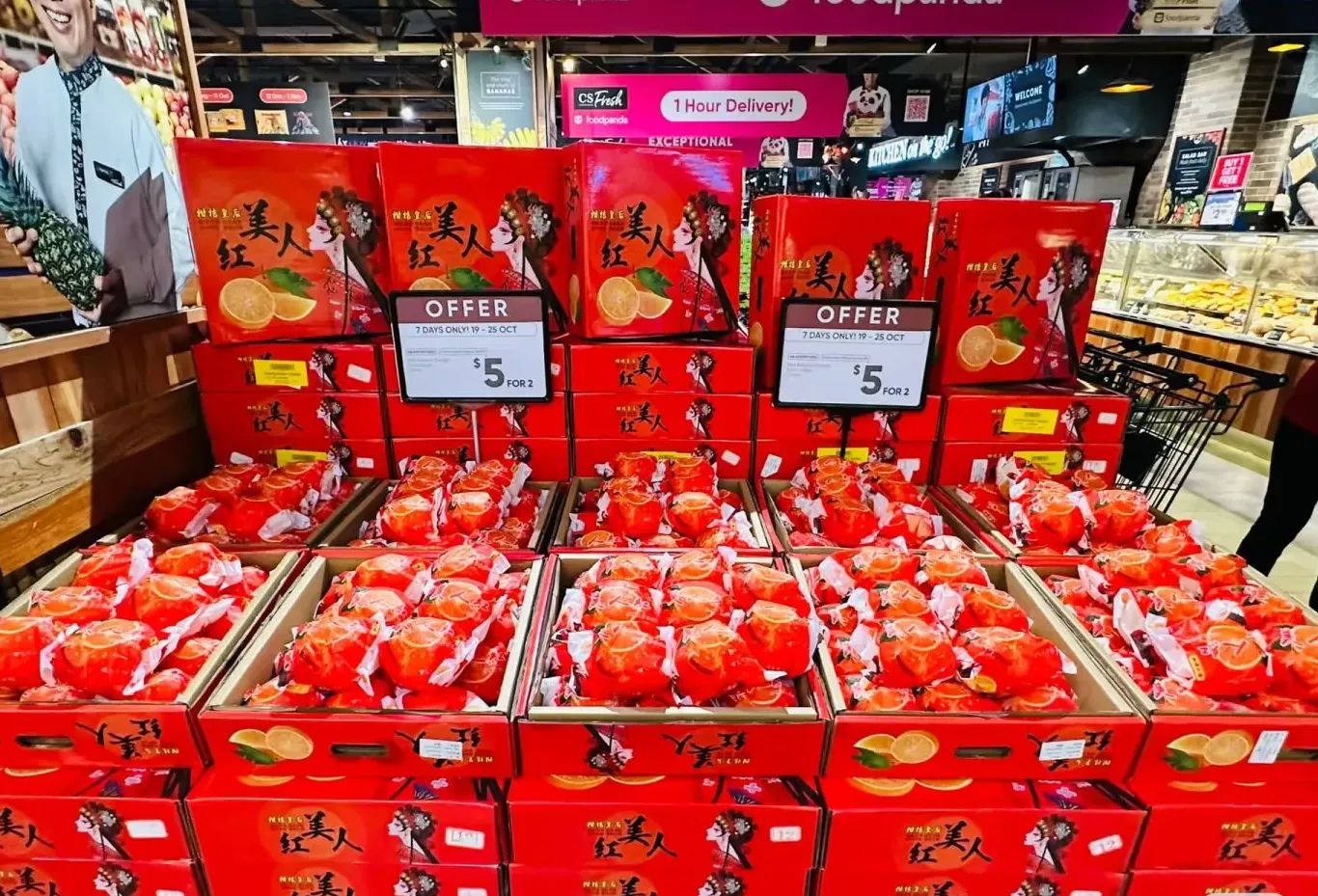
In recent years, Red Beauty has not only won numerous fans in China, but also set off a "sweet trend" in the Southeast Asian market. In high-end supermarkets in Singapore, Malaysia, and Dubai, you can see neatly arranged gift boxes of Red Beauty from China - with its bright appearance and high-quality taste, it has become a new favorite among "Chinese New Year fruits".
The Red Beauty exported by our "Fuguo Fresh" undergoes standardized processes from picking, grading, sugar testing, packaging to export. With its high sweetness, beautiful fruit shape, thin peel, and abundant juice, it has conquered the taste buds of overseas consumers with its strength.
From the orchard to the dining tables in Southeast Asia, Red Beauty is not just a citrus fruit, but a sweet business card from China.

Red Beauty is not just a "delicious orange"; it represents a high point in the refined cultivation of Chinese citrus. The early-maturing nature of Fujian, the mountain flavor of Jiangxi, and the high-end craftsmanship of Zhejiang together form a complete terroir map of Red Beauty in China.
When you take a bite, what you taste is not just sweetness, but also the warmth and care of fruit farmers in the three regions over the past year.