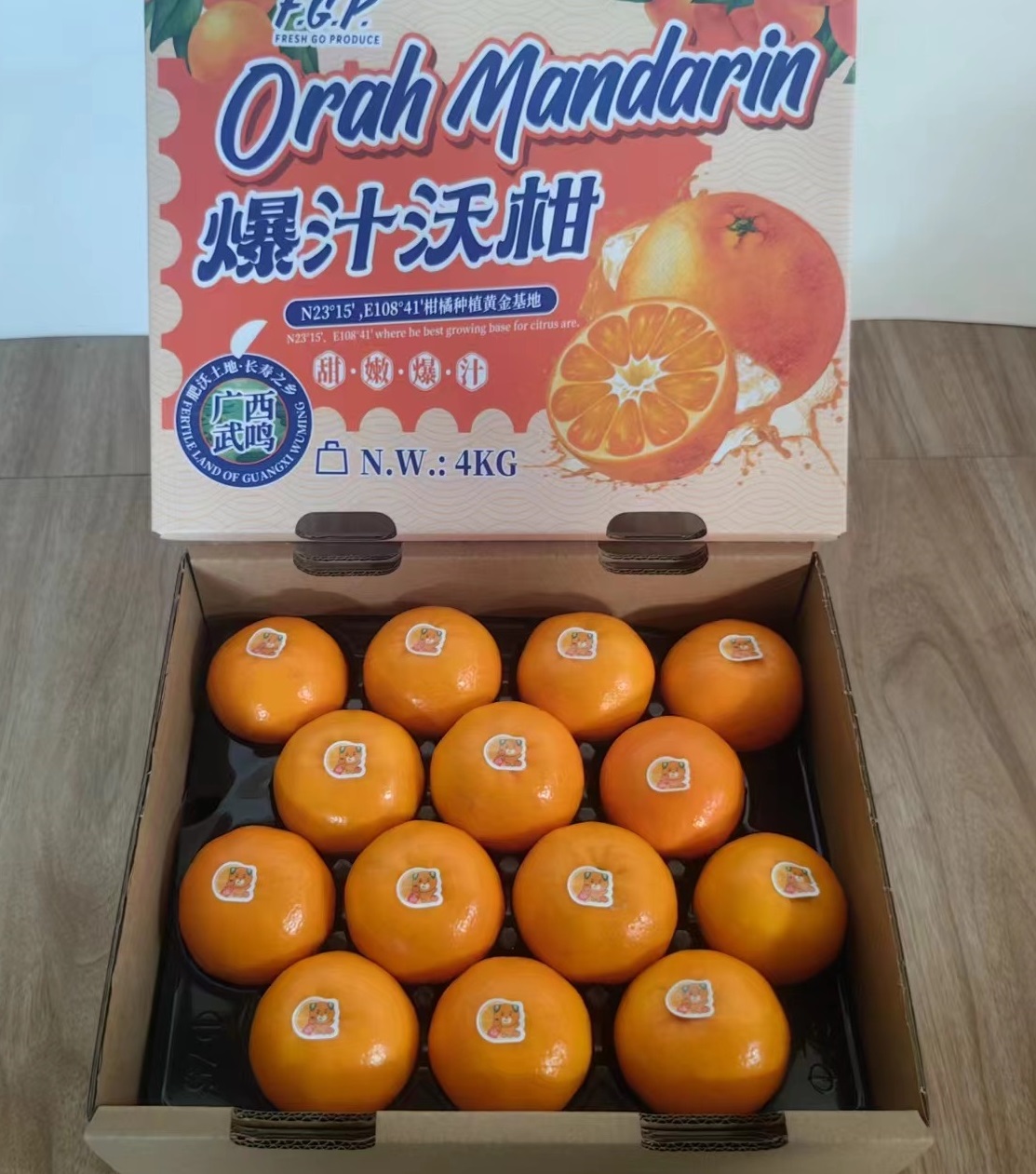
Recently, we have received a lot of feedback from customers:
"Why is the skin of this year's Orah Mandarins not so smooth?"
"So many have rough spots—are they unripe?"
"Has the quality deteriorated?"
In fact, the "speckled skin" phenomenon of Orah Mandarins this year is neither an isolated case nor a problem specific to a certain producing area. Instead, it is a regional and widespread issue caused by the typhoon weather in southern China during 2024–2025.
Today, this article will help you fully understand: Why are there so many Orah Mandarins with speckled skin this year? How does it affect the taste? What exactly have fruit farmers and producing areas gone through?
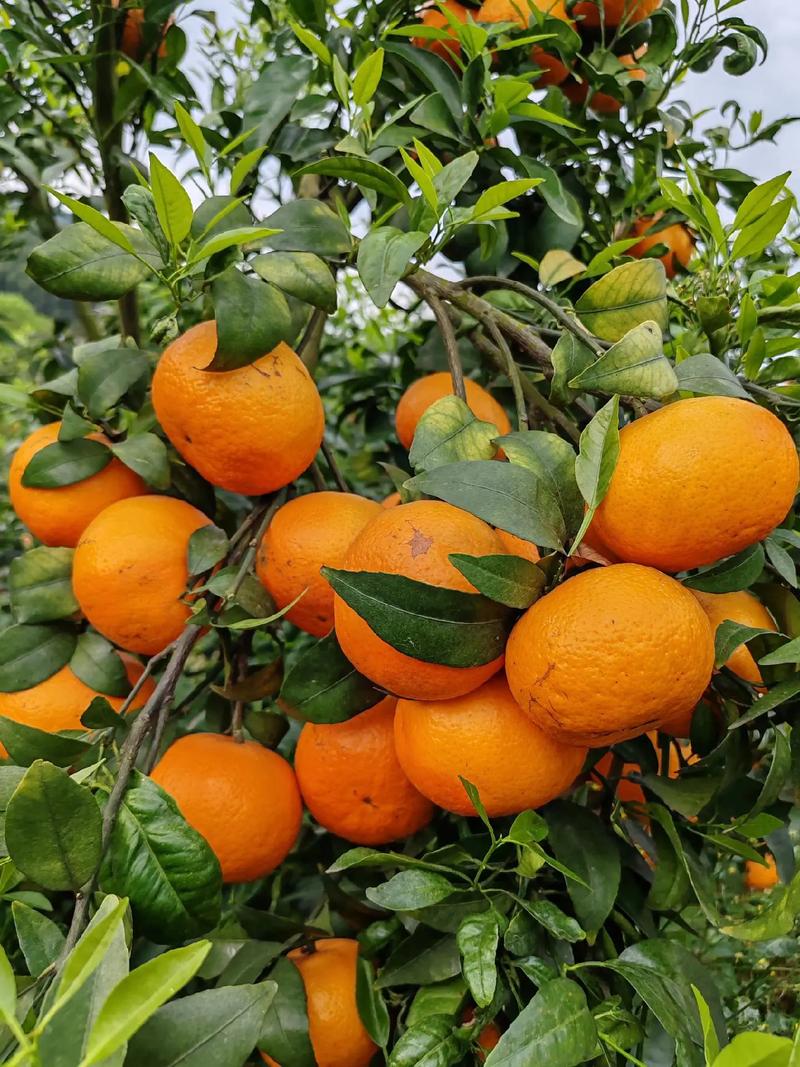
The Core Reason for the Widespread "Speckled Skin" of Orah Mandarins This Year: Too Many Typhoons
The main producing areas of Orah Mandarins are distributed in parts of Guangxi, Chongqing, Sichuan, Hubei, and Yunnan. This year, these regions all faced a common problem: the typhoon path shifted westward, with more frequent occurrences and a longer impact period.
Particularly from July to September—this is exactly the critical stage when Orah Mandarins transition from the "young fruit stage" to the "expansion stage"—👉 the peel is at its thinnest, most tender, and most vulnerable to damage. When typhoons hit, the strong winds and concentrated rainfall have a significant impact on the peel.
2025 Autumn Typhoon Statistics
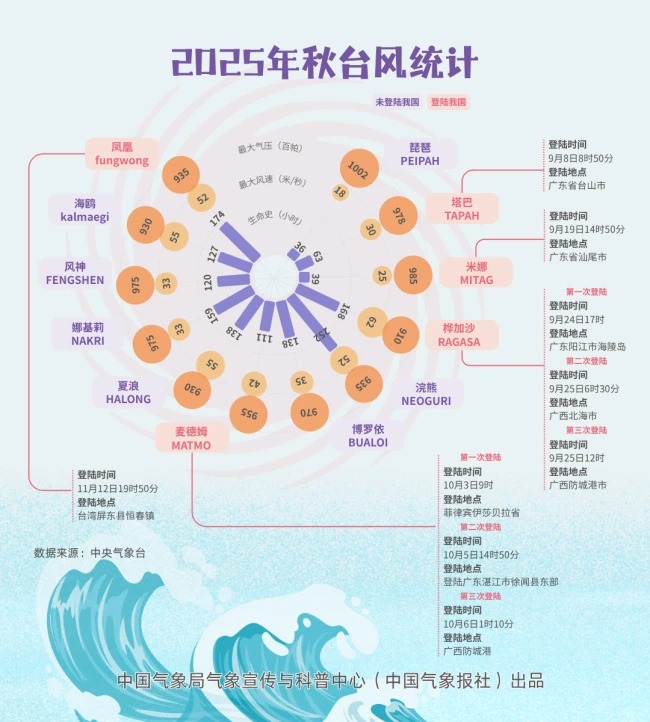
Data Source: National Meteorological Center; Produced by China Meteorological Administration's Meteorological Publicity and Science Popularization Center (China Meteorological News)
How Is Speckled Skin Formed?
Speckled skin does not mean the fruit is "spoiled" or "unripe"; it is actually a change in the surface texture of the peel caused by external stimuli. Based on the performance of producing areas this year, speckled skin mainly stems from three professional reasons:
1. Wind Causes "Mechanical Abrasion" on the Peel
During typhoons, fruit trees sway back and forth violently in strong winds, causing fruits to collide with each other, and the peel to rub against leaves and branches. As the peel matures, small spots, small rough patches, and reticulated structures are left in these areas.
This is the most typical cause of speckled skin this year, which fruit farmers call "wind abrasion" or "wind-rubbed skin".
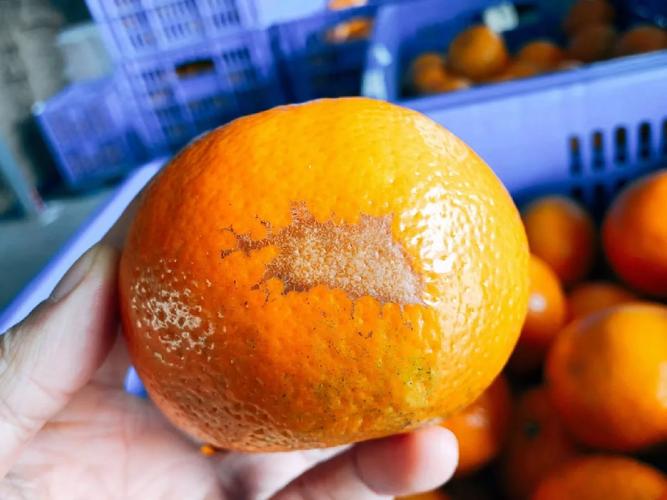
2. Heavy Rain + High Humidity Trigger a "Stress Response" in the Peel's Oil Glands
The tiny oil glands on the Orah Mandarin peel are inherently very sensitive. Under continuous humid conditions and prolonged rain coverage:
- The metabolism of oil glands slows down
- The epidermal cuticle cannot stretch normally
- Slight unevenness appears on the peel surface
This forms a speckled skin with a "rough granular" or "slightly reticulated" appearance, which is a typical case of "high-humidity stress-induced speckled skin".
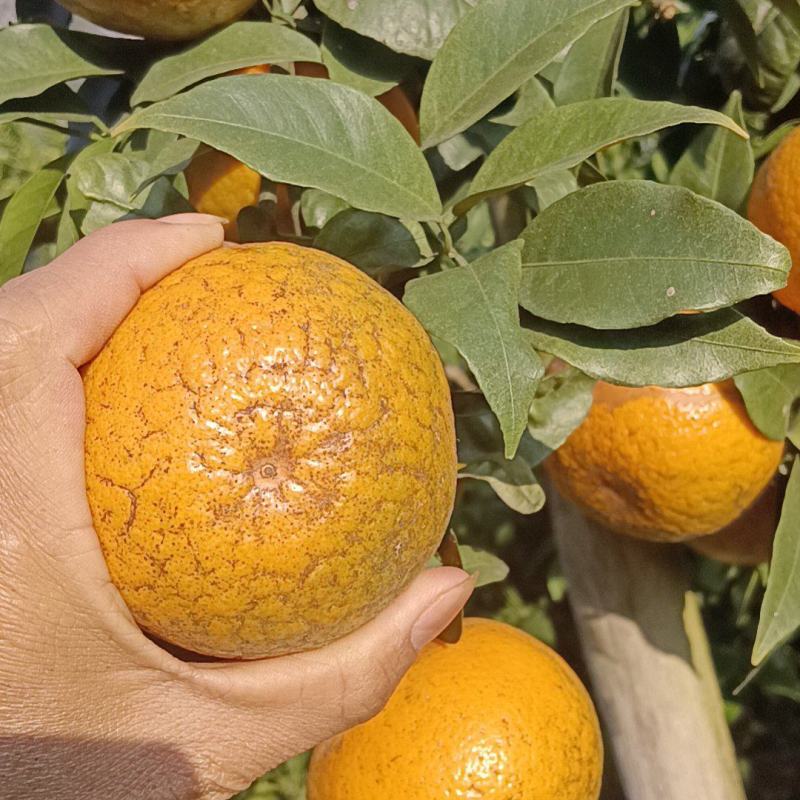
3. Sudden Clear Weather After High Temperature + Heavy Rain Leads to "Uneven Growth" of the Peel
Typhoons are often accompanied by extreme weather changes—sudden high temperatures and clear skies right after heavy rain. The pulp continues to expand, but the cuticle of the peel cannot expand synchronously, resulting in "growth gaps". This leads to local uneven color and slightly rough speckled skin.
Fruit farmers refer to this phenomenon as "the peel can't keep up with the pulp's growth".
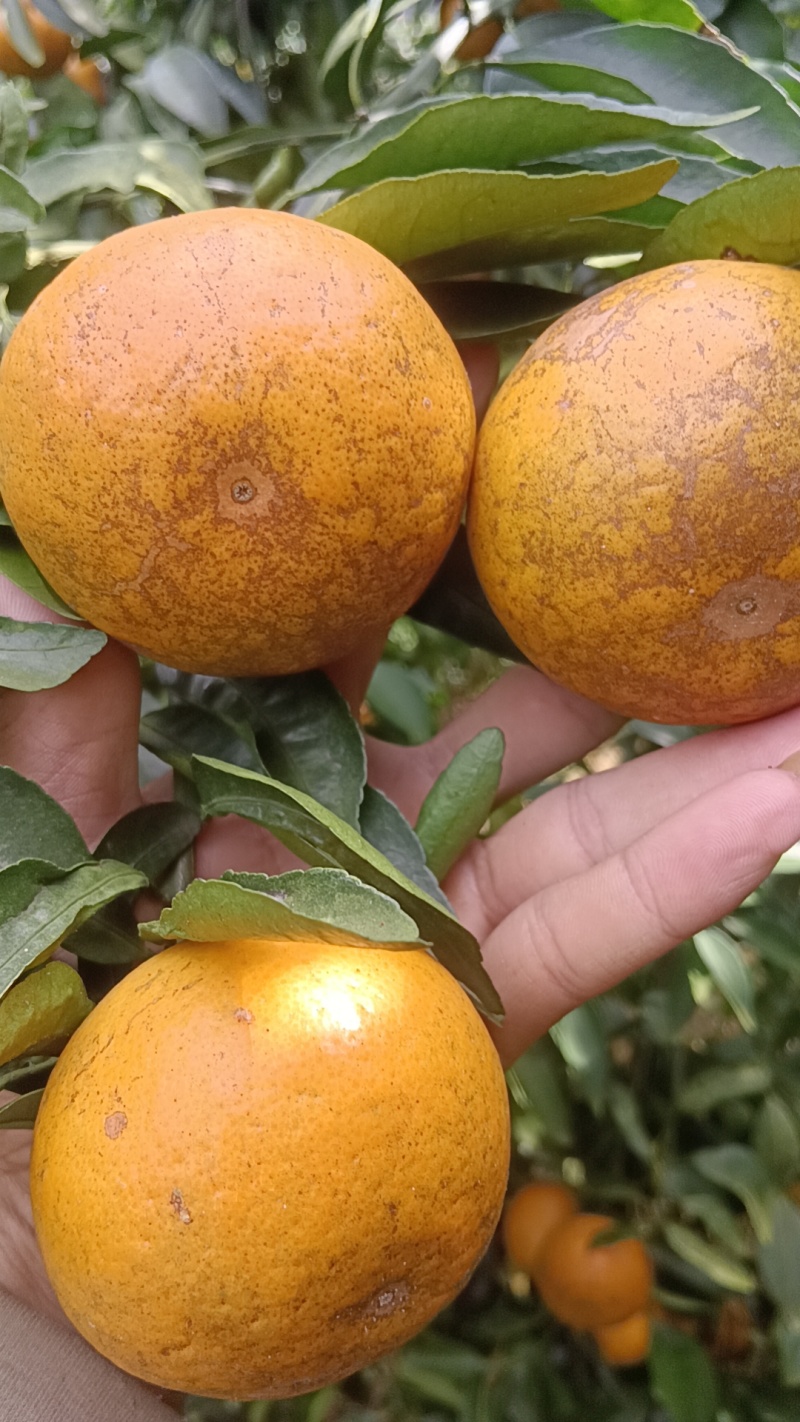
Speckled Skin Does Not Affect Sweetness, Juiciness, or Pulp Melting Rate
Many consumers worry about the quality when they see the peel is not smooth enough. In fact, the edible quality of Orah Mandarins is determined by the following indicators:
- Sugar-acid ratio (the core factor determining taste)
- Soluble solid content (sweetness)
- Pulp melting rate (pulp cell structure)
- Accumulation of flavor substances (aroma)
All these indicators are related to the pulp inside and have no direct connection to the peel's appearance.
Speckled skin also has nothing to do with the following:
✘ It does not mean the fruit is unripe
✘ It does not mean the fruit is spoiled
✘ It does not mean insufficient moisture
✘ It does not mean reduced taste
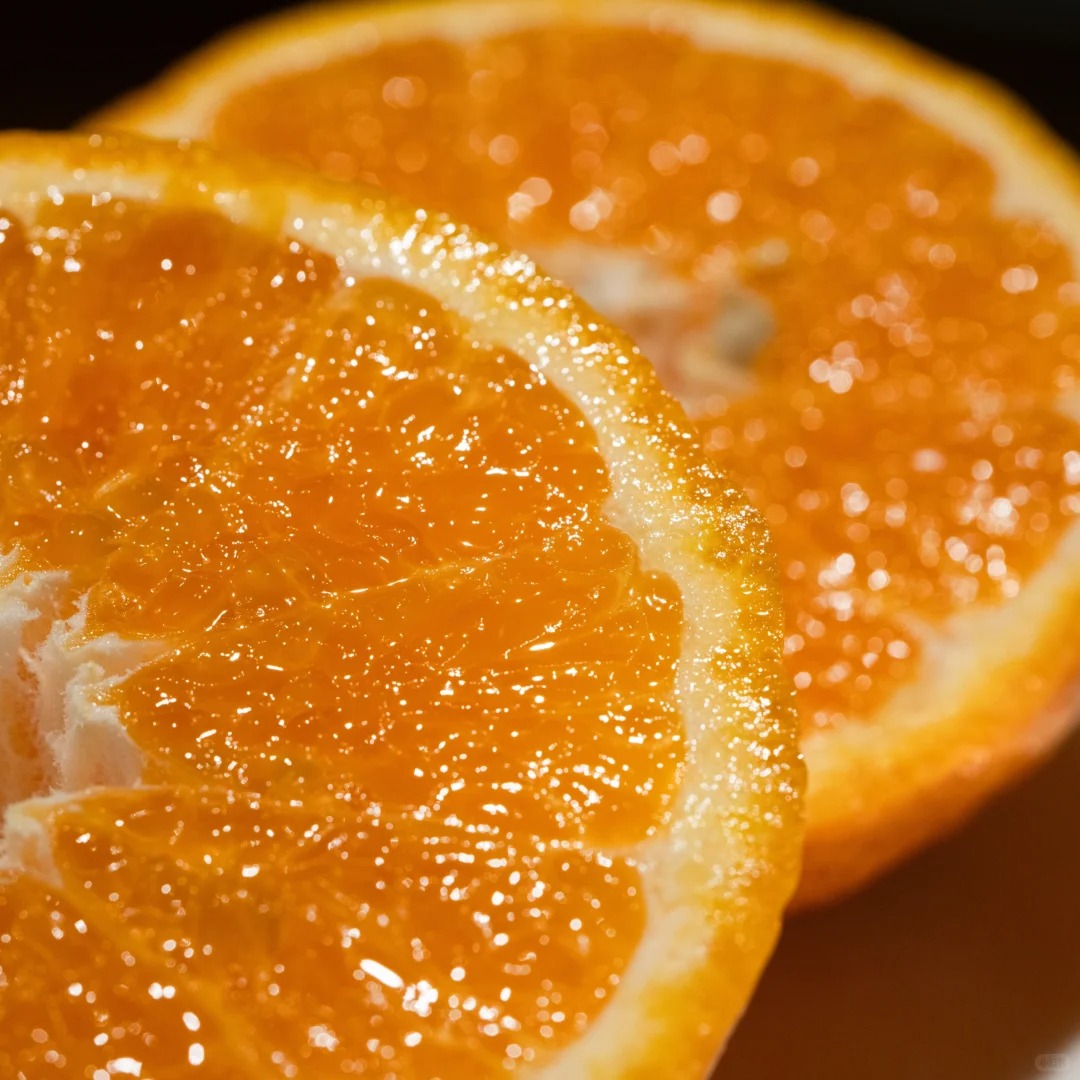
Professional explanation: Although the surface cuticle of the peel is affected, the parenchyma tissue of the pulp and the development of juice sac cells are not damaged, so the flavor remains intact.
Even in some producing areas, due to strong sunlight and high ripeness this year, the flavor is even richer than in previous years.
Why Is There So Much Speckled Skin This Year?
The period when the Orah Mandarin peel is most fragile is short, mainly concentrated in:
📍 Young fruit stage (June–July)
📍 Expansion stage (July–September)
This year, the typhoon path shifted westward, and typhoons occurred particularly frequently during these two periods. To put it simply:
✔ If typhoons had come a few weeks earlier, the peel would not have formed yet
✔ If typhoons had come one or two months later, the peel would have been thick enough
✔ However, this year, typhoons happened to hit the most critical vulnerable window
This has led to the widespread speckled skin phenomenon this year. It is not a problem with management, variety, or technology—it is a natural phenomenon caused by weather.
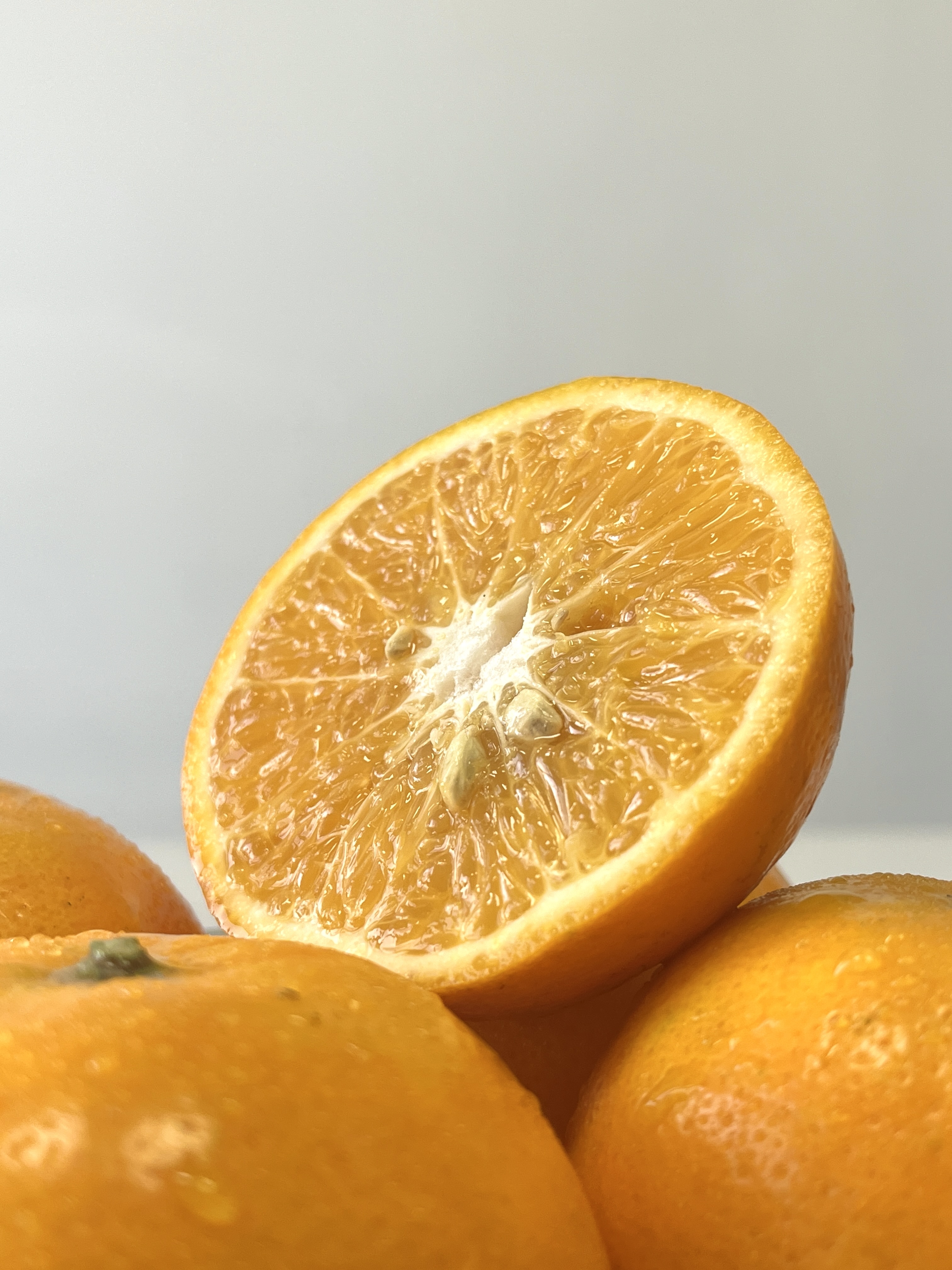
This Year's Orah Mandarins: The Peel Tells a Story, but the Flavor Remains Outstanding
You can understand this year's Orah Mandarins like this:
🌬 "Little tough ones that have weathered wind and rain"
🌀 "Imperfect in appearance, but consistently sweet inside"
🍊 "The skin has a story, but the pulp is still excellent"
From a professional perspective, the flavor of this year's Orah Mandarins has even more advantages:
- Longer sunlight hours
- Larger day-night temperature difference
- Higher accumulated temperature for ripening
- More sufficient nutrient accumulation in the pulp
Therefore, many fruit farmers and processing factories have unanimously commented: "This year's Orah Mandarins are average in appearance, but their internal quality is as good as in a bumper year."
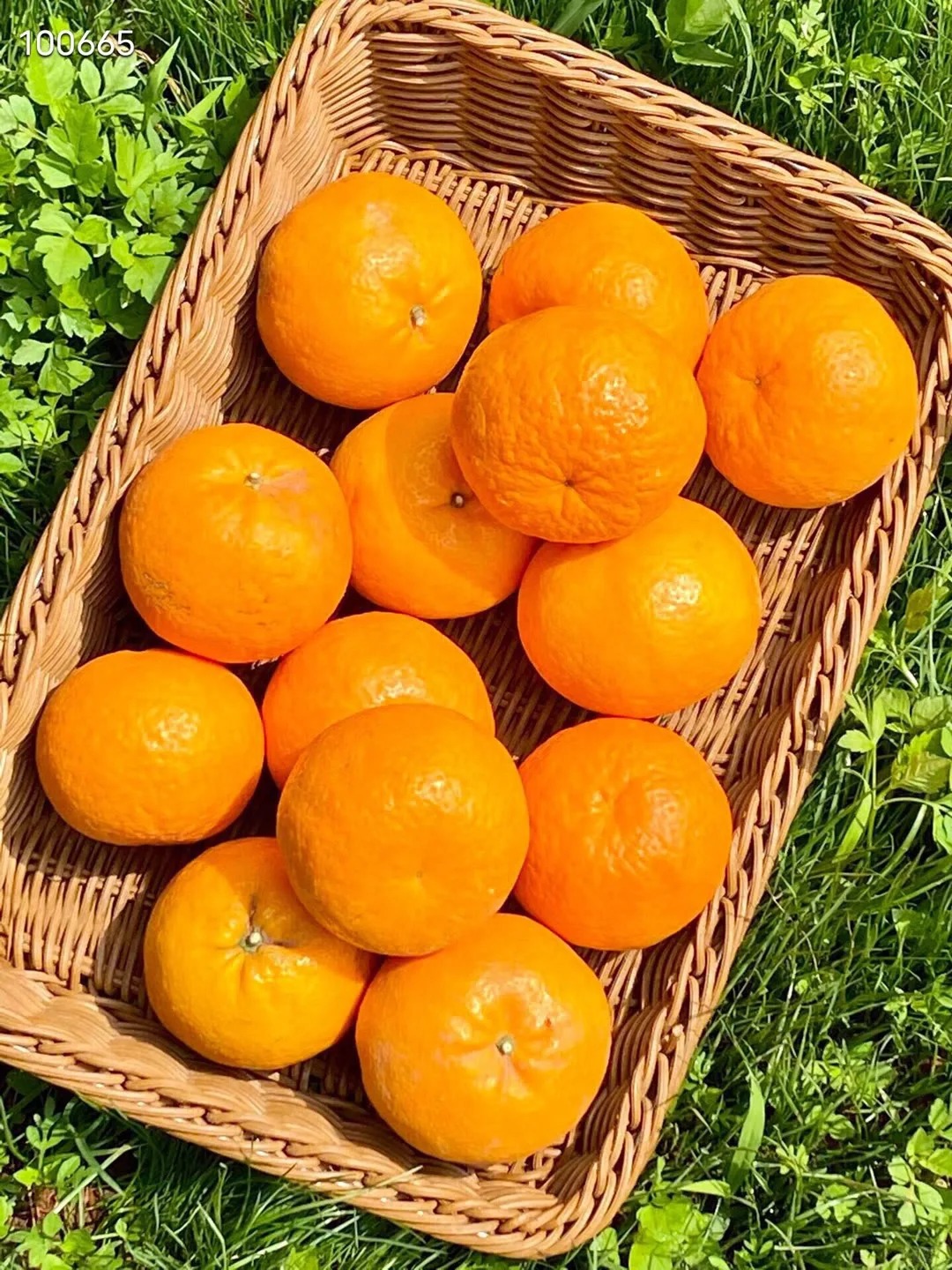
The "Speckled Skin" of This Year's Orah Mandarins Is Not a Defect, but a Mark Left by Nature
Speckled skin is an appearance change caused by weather. It does not affect ripeness, flavor, juiciness, sweetness, or food safety.
Although the appearance is not so perfect, it is still the familiar, juicy, and delicious Orah Mandarin.
Despite its "low-key" appearance, the Orah Mandarin has solid, stable, and strong internal quality. It fully meets the standards for export and is sent to markets in Southeast Asia, the Middle East, Europe, and other regions, continuing to present the sweetness and strength of Chinese fruits on overseas dining tables!